













Embracing Modern Office Table Designs for Productive Workspaces


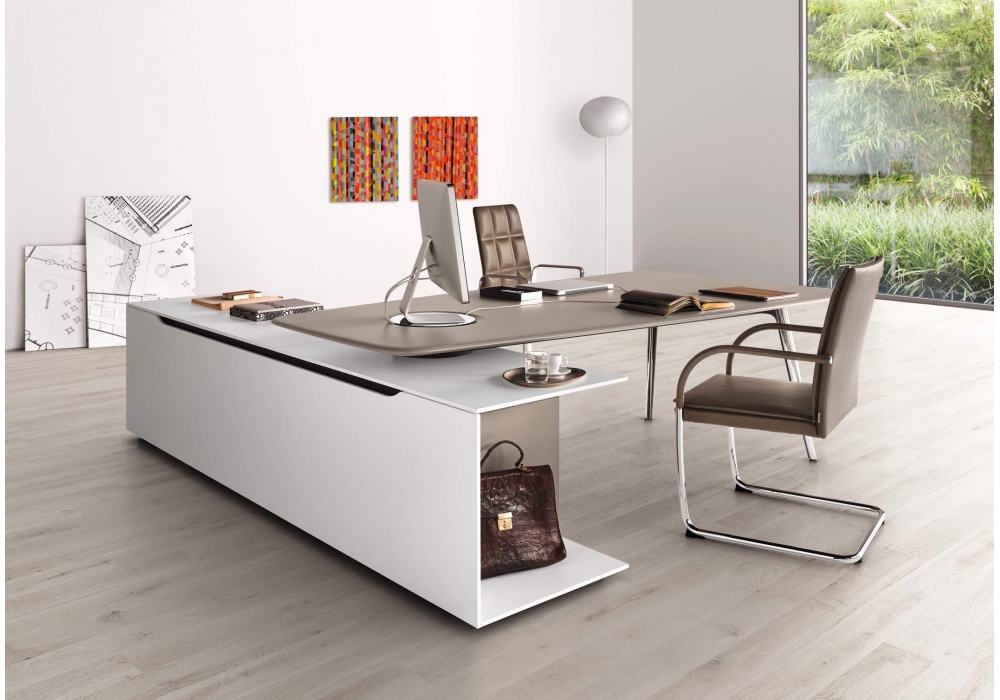
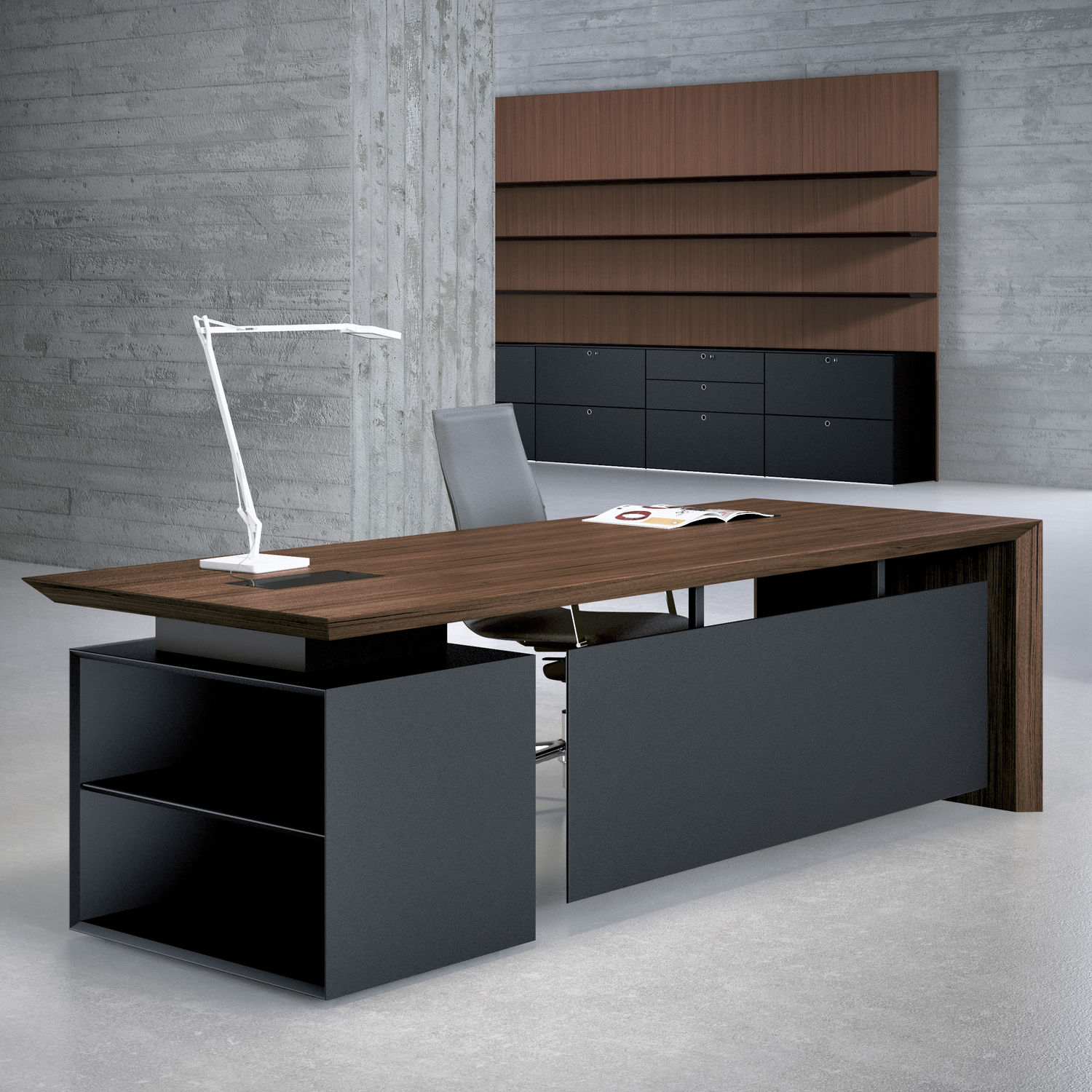
In todays fast-paced corporate world, the workspace environment plays a pivotal role in shaping employee productivity and motivation. One of the most vital elements of this setup is the office table. Gone are the days of bulky wooden desks with no personality or ergonomic benefits. The workplace has evolved into a hub of creativity, flexibility, and innovation, leading to the rise of modern office table designs. These designs focus not only on aesthetics but also on functionality, comfort, and adaptability. Employers and employees alike are now recognizing the importance of ergonomic features, space optimization, and sleek finishes. Whether it's a startup looking to inspire creativity or a corporate headquarters striving for minimalism, modern office table designs help set the tone for a productive and engaging work atmosphere.
The Evolution and Significance of Office Tables in Modern Work Culture
Office tables were once mere platforms to hold paperwork and desktop computers. Today, they serve as multifunctional tools for collaboration, digital integration, and even wellness. The shift in work culture from rigid schedules to flexible hours and remote work has fueled the demand for modular and contemporary office furniture. Designers and companies now favor minimalist profiles, integrated cable management, and adjustable heights to cater to different work styles. Modern office table designs often incorporate tech-friendly features such as built-in USB ports, wireless charging pads, and compartments for smart devices. These tables are designed with efficiency in mind, creating environments where people feel empowered and supported in their tasks. The modern design ethos combines style with purpose, transforming a simple piece of furniture into a central element of corporate identity and employee well-being.
Key Features of Modern Office Table Designs That Elevate Productivity
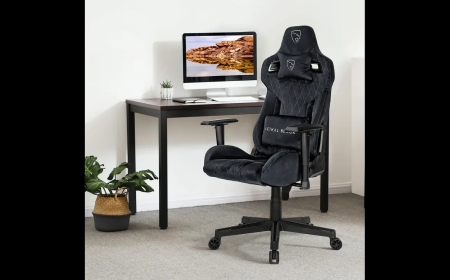
One of the most defining characteristics of modern office table designs is their emphasis on ergonomics. Adjustable heights are no longer a luxury but a necessity, especially for those spending long hours at their desks. Sit-stand desks are increasingly popular for promoting physical movement during work hours, which contributes to better posture and energy levels. Additionally, clean lines and clutter-free layouts foster a more focused work environment. Materials like tempered glass, polished aluminum, engineered wood, and melamine are used not just for durability but to maintain a contemporary look that blends into open-plan or hybrid workspaces. Storage solutions such as hidden drawers and under-table cabinets keep the desktop clear, allowing employees to concentrate without distractions. The functionality extends to the design of collaborative tables, which are often modular, allowing easy rearrangement based on team size and project needs.
The Role of Customization in Modern Office Table Trends
Another notable aspect of modern office table designs is their high degree of customization. Companies are no longer opting for one-size-fits-all solutions. Instead, theyre investing in designs tailored to individual departments or employee roles. For instance, a graphic designer may require a wide tabletop with dual-monitor compatibility, while a salesperson might benefit from a compact desk with built-in cable organizers for frequent online meetings. Modern design encourages adaptability, with options to switch configurations, colors, and materials based on brand aesthetics and functional requirements. Some modern tables come with interchangeable panels, allowing a company to change color schemes without buying new furniture. Others support modular add-ons like screens for privacy or power sockets for remote collaboration tools. This degree of customization ensures longevity and relevance of the furniture, even as office needs evolve.
Sustainability and Smart Materials in Modern Table Designs
Sustainability is another driving factor behind the popularity of modern office table designs. Eco-conscious companies are now selecting tables made from recycled or responsibly sourced materials. Designers are utilizing smart composites that are not only durable and attractive but also minimize the environmental footprint. Bamboo, reclaimed wood, powder-coated steel, and recyclable plastics are among the trending materials. Some manufacturers are going a step further by offering cradle-to-cradle certified furniture, ensuring the product lifecycle is environmentally friendly. These sustainable designs align with the growing awareness of corporate social responsibility and make a positive impression on clients and stakeholders. Additionally, using materials with antimicrobial surfaces or easy-to-clean finishes has become important in post-pandemic office design, ensuring a healthier workspace.
The Aesthetic Appeal and Psychological Impact of Modern Design
Beyond functionality, modern office table designs focus on visual impact. Clean surfaces, elegant textures, and thoughtful color palettes influence the psychological well-being of employees. A bright and sleek office table can evoke feelings of clarity and professionalism, while darker finishes might offer a sense of seriousness and focus. Incorporating natural elements like wood grains or stone finishes can add warmth to the environment, counteracting the sterile feel of traditional corporate interiors. Many modern offices now embrace biophilic design principles, where furniture complements natural light and greenery, contributing to a calming atmosphere. These aesthetics have a direct correlation with mood, productivity, and even creativity. An attractive workspace fosters a sense of pride and ownership among employees, encouraging them to perform at their best.
Choosing the Right Modern Office Table for Your Business
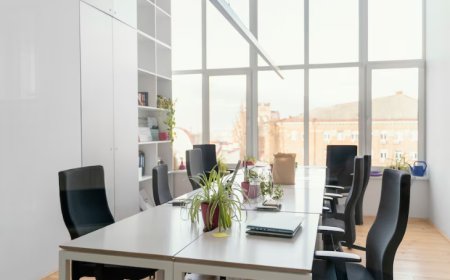
Selecting the perfect office table requires more than just browsing catalogs or online stores. It demands a thorough understanding of the workspace layout, the nature of job functions, and the overall brand identity. Business owners must consider table dimensions, user comfort, accessibility, durability, and ease of maintenance. Whether it's an executive table, workstation cluster, meeting room table, or shared benching system, the design must support the intended workflow. For hybrid offices, mobile and foldable tables offer a practical solution, while standing conference tables foster energetic discussions. Incorporating brand colors or logos subtly into the table design can also reinforce company culture. Most importantly, businesses should prioritize suppliers and manufacturers that offer ergonomic certifications, quality assurance, and customer support. A well-chosen modern office table can be a long-term investment in employee satisfaction and operational efficiency.
Conclusion: Why Modern Office Table Designs Are the Future of Workspaces
The transformation of office environments in recent years is undeniable, and modern office table designs are at the forefront of this change. They encapsulate everything todays workforce valuescomfort, technology, aesthetics, and sustainability. Whether you're redesigning a corporate headquarters, launching a new business, or setting up a co-working space, integrating modern table designs can significantly enhance productivity and morale. These tables are not just about function; theyre about making a statementabout innovation, adaptability, and care for the people who use them. With the right design, your office can become a space where ideas flourish and teams thrive. For businesses looking to elevate their workspace with cutting-edge design and dependable quality, Office furniture provides a trusted solution tailored to meet contemporary demands.