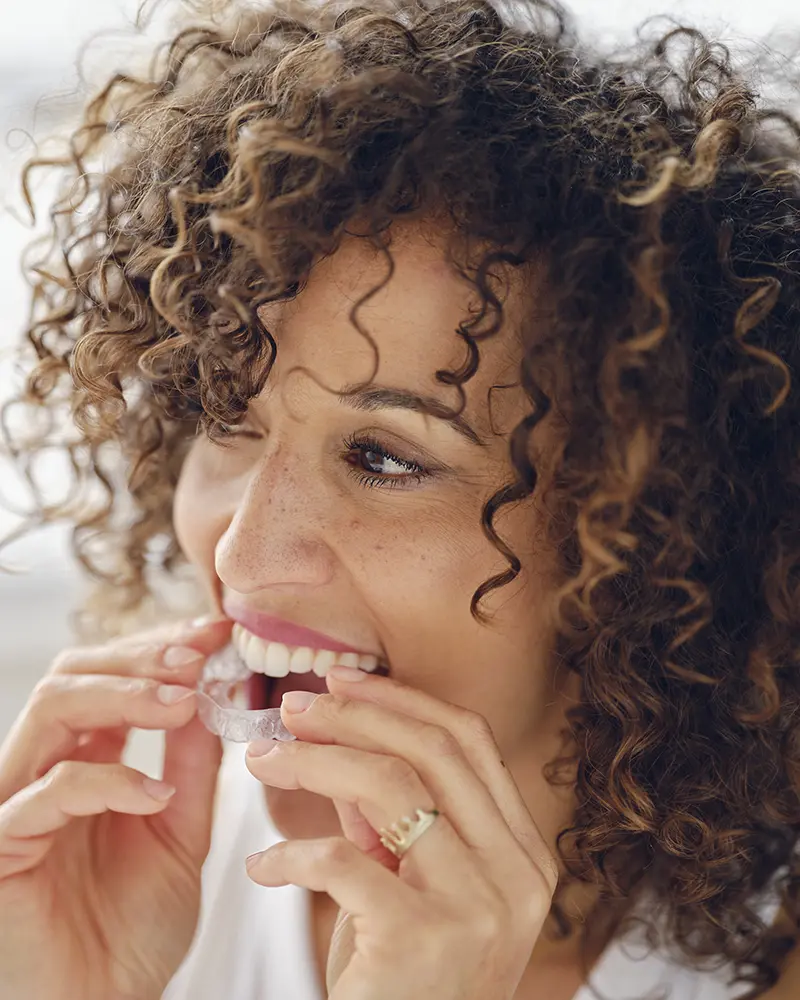






















Grasping Teeth Whitening and Its Role in Enhancing Smiles
Professional teeth whitening offers safe, fast, and effective results. Find out how to maintain your smile with expert guidance and care.


In a society where first impressions matter, a radiant smile can serve as a powerful asset. Whether its for a job interview, a wedding, or just daily interactions, having white, bright teeth often signifies confidence and health. Teeth whitening is one of the most sought-after cosmetic dental procedures in the UK, offering a relatively quick and effective way to enhance ones smile.
This post explores the ins and outs of teeth whitening, the science behind the process, professional and at-home methods, safety concerns, and why seeing a qualified dentist in Aberdeen might be your best step forward.
The Science Behind Teeth Whitening
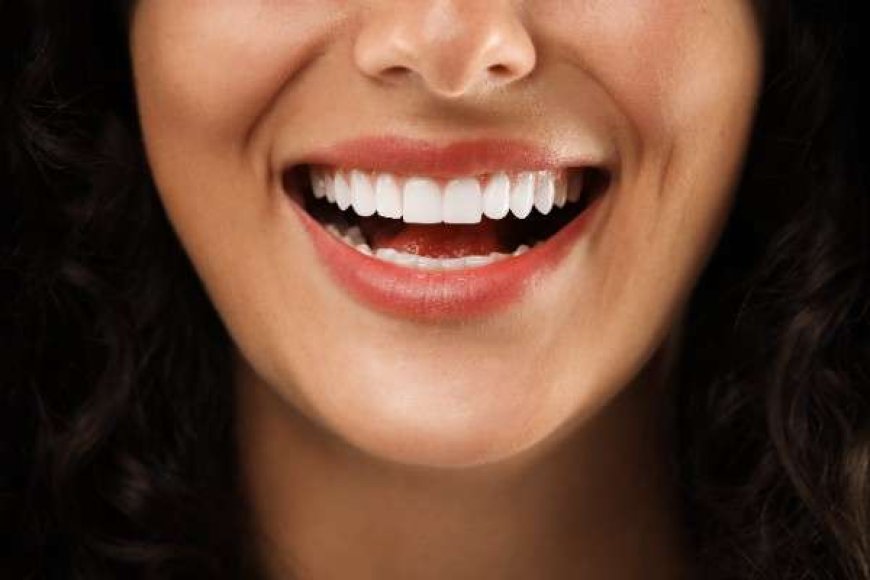
Teeth whitening primarily targets the enamel, breaking down stains and discolouration to restore brightness. Whitening agents, usually hydrogen peroxide or carbamide peroxide, penetrate the enamel and chemically react with stain molecules, breaking them into smaller, less visible fragments. This process lightens both extrinsic (surface) and some intrinsic (deeper) stains.
- Enamel is semi-translucent, so its condition affects overall tooth colour.
- Dentins yellow hue can show through thinning enamel, influencing the tooths shade.
- Stain sources include coffee, tea, red wine, tobacco, and certain foods.
- Whitening agents oxidise stains without damaging tooth structure when used properly.
Understanding these mechanisms helps patients appreciate why professional supervision ensures effective and safe whitening results.
Professional Teeth Whitening Options
Under the care of a qualified dentist in Aberdeen, teeth whitening treatments are both safe and highly effective. These procedures, includingteeth whitening Aberdeen, are designed to lighten the shade of your teeth and remove stains caused by food, drink, and lifestyle habits. Here are the main professional whitening options commonly offered:
1. In-Clinic Whitening
This procedure applies a high-strength hydrogen peroxide or carbamide peroxide gel directly to the teeth. The gel is often activated using a curing light or laser, accelerating the whitening process. Sessions typically last around 45 to 60 minutes, and patients can notice visibly brighter teeth immediately after treatment.
Advantages:
- Rapid whitening results in just one visit
- Professional supervision ensures gum safety and comfort
- Provides even and uniform whitening across all teeth
- Suitable for people needing quick, dramatic improvements (e.g., before events)
2. Take-Home Whitening Kits
Dentists offer custom-fitted trays and professional-grade whitening gel for those who choose the convenience of whitening at home. The trays ensure the gel stays in close contact with the teeth, reducing the risk of gum irritation. Typically, patients use the trays for 30 minutes to a few hours daily over 12 weeks, depending on the product and desired results.
Advantages:
- More affordable compared to in-clinic treatments
- Flexible scheduling to fit personal routines
- Enables gradual whitening, making it gentler for sensitive teeth.
- Treatments can be repeated safely under dental supervision
3. Combination Treatments
Some patients may benefit from a combination of in-clinic whitening followed by take-home maintenance kits. This approach maximises the initial brightening effect and helps maintain results for longer periods.
4. Alternative Professional Whitening Options
Dentists might also offer less common or newer methods such as:
- Laser Whitening:Utilises laser light to activate the whitening agent for enhanced results.
- Airflow Polishing:Eliminates surface stains using a blend of water, air, and fine powder, enhancing the whitening results.
At-Home Whitening: Risks and Rewards
While over-the-counter kits provide an affordable and convenient way to brighten teeth, users should be aware of potential drawbacks.
Pros:
- Budget-friendly option
- Easily accessible without professional visits
- Flexible usage at your convenience
Cons:
- Results can be unpredictable and uneven
- Potential for gum irritation or sensitivity
- Overuse or misuse may damage enamel and cause long-term harm
Maintaining Results Post-Treatment
Whitening isnt permanent. The effects can last from a few months to 3 years depending on lifestyle habits.
Tips to Extend Whitening Longevity:
- Limit coffee, tea, and red wine
- Quit smoking
- Rinse mouth after consuming staining foods
- Maintain regular hygiene visits
Whitening-Friendly Diet
Incorporate:
- Strawberries (malic acid helps whiten)
- Apples
- Cheese (calcium strengthens enamel)
- Crunchy vegetables
Avoid:
- Soy sauce
- Tomato-based sauces
- Cola
- Balsamic vinegar
The Safety and Side Effects of Whitening
When carried out by a qualified dentist, professional teeth whitening is typically safe. However, some temporary side effects may occur:
- Tooth Sensitivity:Mild sensitivity can last 2448 hours after treatment, usually subsiding quickly.
- Gum Irritation:Whitening agents may cause slight gum irritation, which typically resolves within a few days.
- Uneven Whitening:If you have dental restorations like crowns or fillings, these wont whiten, potentially causing uneven colour.
Choosing the Right Dentist in Aberdeen
Choosing a skilled and experienced dentist is essential for safe and effective teeth whitening. When choosing aDentist in Aberdeen, here are some important factors to consider:

- GDC Registration and Qualifications:Confirm your dentist is registered with the General Dental Council and has relevant experience in cosmetic dentistry.
- Use of Regulated Products:Ensure the clinic uses UK-approved whitening agents that meet safety standards.
- Pre-treatment Oral Health Assessment:A thorough check helps identify any dental issues that need addressing before whitening.
- Treatment Options:Availability of both in-clinic and take-home whitening ensures flexibility tailored to your lifestyle.
- Comprehensive Aftercare:Good dentists provide clear guidance on maintaining results and managing sensitivity.
Environmental and Ethical Considerations
As awareness of environmental impact grows, more dental clinics are adopting sustainable practices to reduce their carbon footprint. Innovations include:
- Biodegradable Impression Materials:These reduce waste compared to traditional plastics.
- Energy-Efficient LED Activation Lights:Used during in-clinic whitening, they consume less power while providing effective results.
- Recyclable or Minimal Packaging:Whitening kits and products are increasingly packaged using recyclable materials or minimal plastics to lower environmental waste.
Conclusion
Teeth whitening is a scientifically proven, effective way to brighten your smile and boost confidence. While over-the-counter products are available, professional treatment remains the safest and most reliable option. Understanding the procedure and maintaining good oral hygiene afterward helps ensure lasting results. For those in northeast Scotland, consulting an experienced dentist in Aberdeen guarantees personalised care that meets UK standards. At EDA, we are proud to offer expertly supervised teeth whitening treatments designed for long-lasting, radiant smiles, helping patients achieve their best smile safely and confidently.