

















How to Survive the Wicked Altitude on Annapurna Circuit: Annapurna Circuit Now
Everything you need to know about trekking the Annapurna Circuit: permits, packing, timing, and insider route advice.
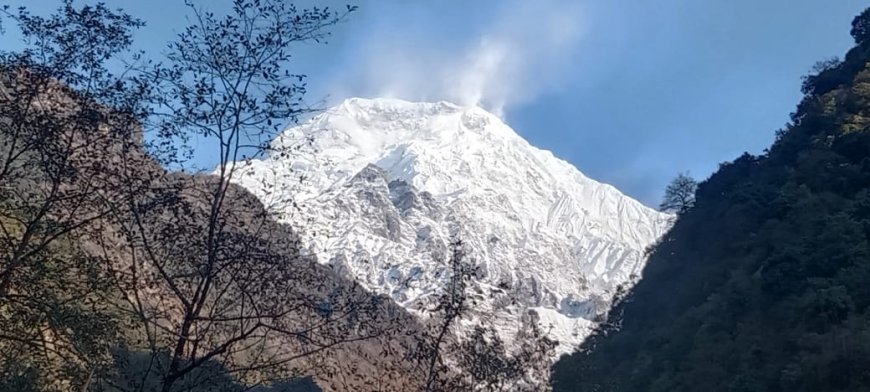
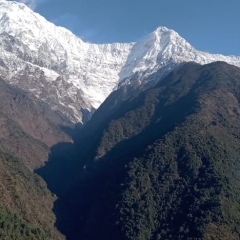
The Annapurna Circuit is among Nepals most stunning and challenging treks a test not just of the legs, but ultimately of character. As trekkers reach more than 3,000 meters (about 10,000 feet), altitude sickness is a very real, sometimes wicked, problem. It makes for a pastoral hike through terraced farmland and dark rhododendron forest that, within minutes, is a struggle for breath and will. As you climb higher, the air becomes thinner, and preparation counts for increasingly more an awful lot. Altitude sickness or Acute Mountain Sickness (AMS) can strike anybody, no matter how fit or experienced. Failing to pay attention to those signs and symptoms or placing an excessive amount of strain on your body can ruin your dream trek, right into a nightmare.
But heres the best information: living through Annapurnas difficult elevation isn't just feasible its conceivable in case you do it right. The trick is knowing your frame, being clever about your precautions, and taking note of age-appropriate recommendations that are often left out by way of overconfident hikers.
In today's blog, we'll cover the no-BS approach to how to prepare for and deal with the altitude. From acclimation methods and hydration structures to food alternatives and emergency-reaction preparations its all constructed from scratch, cautiously considered, with one objective in mind: helping you so that youre healthy and you may end your trek sturdy. Whether youre already stowing tools in your backpack or simply dreaming of the Annapurna peaks, those survival strategies will prevent your trek from descending into of manipulate. Read on, and gather the grit and guidance to defeat the altitude now, not later.
Learn What Altitude Sickness Is
Altitude sickness is not simply a headache or an urge to take a nap it is your body trying to function in oxygen-deprived conditions. You can start experiencing symptoms like nausea, dizziness, and insomnia as you go higher than 2,500 meters (or 8,202 feet). Youll reach dramatically higher altitudes on the Annapurna Circuit the Thorong La Pass is over 5,400 meters. The first step to preventing AMS, you understand, is realizing that it affects everyone differently. Educate yourself before the trek. Knowing what to expect and what not to dismiss can save your hike and your health.Climb High, Sleep Low: Visit Like a Pro. This is the tactic of choice for getting high for the views of Everest and other peaks, while sleeping low to help your body adjust to the altitude.
Acclimatization is the golden rule. It is merely the process of letting your body adjust to the higher-altitude environment. One suggested method is climb high, sleep low climb higher in your daytime trekking and return to a lower level to sleep. Build in rest days in Manang or similar villages if you are hiking the Annapurna Circuit. Just give your body a chance to adjust. A good rest day is no joy, not laziness, but survival.
Hydrate and Fuel: Your Secret Weapons
Water is mightier at an altitude. Dehydration exacerbates altitude signs and symptoms, and it happens even more quickly in the cold, dry mountain air. Drink 34 liters day by day. Theres also the matter of dieting: Make sure to eat so youre getting lighter, not lighter so youre eating. Also: Eat light but power-rich you and carbs are so close at higher altitudes. Stay away from alcohol, and limit your caffeine both substances can cause you to become dehydrated. Garlic soup, ginger tea, and substantial dal bhat can make all the difference in keeping the energy. Feed your body the way you would feed a machine, because you are.
Learn to Pull the Plug
Mind the AltitudeGreaterr trekkers perish from over-ambition than from exhaustion. In case you get dizzy, weak, or have a persistent headache, forestall. Then do not climb higher again till the symptoms have disappeared. Push through, and your praise could be excessive Altitude Pulmonary Edema (HAPE) or high Altitude Cerebral Edema (HACE), both of which can kill you. If youre struggling to keep up, or mountain climbing hills isn't one of your strengths, thats no reason to be ashamed. Honor the mountain, pay attention to your frame, and in no way permit the ego to write down your tempo. Surviving is succeeding on Annapurna.
Pack the Right Altitude Meds and Know How to Use Them
Medication can help but only if you use it wisely. Acetazolamide (Diamox) is frequently taken to assist in avoiding altitude sickness. Dexamethasone, Nifedipine are in case of emergencies. Find out also the dosage and when to take each. Dont self-treat without guidance see a travel doctor beforehand. And always pack a pulse oximeter to monitor your oxygen saturation. That right gear at the bottom of your first-aid kit is your silent protector.
Pay for a Guide or Porter Who Understands the Landscape
Local guides and porters are not just baggage carriers; they are trained in the art of mountain safety. A good guide will see symptoms before you do, aid in emergency descents, and handle altitude sickness in a placid manner. They know the weather, the landscape, and where to find help when needed, quickly. Most trekkers will try to save money by not employing support, but remember: survival and peace of mind are priceless. Dont risk your safety when it is only a voice call away for help.
How bad is the altitude sickness on the Annapurna Circuit?
Ever heard of Acute Mountain Sickness (AMS), in other words, altitude illness? It's miles a threat at the Annapurna Circuit, particularly across the Thorong La bypass (5,416 meters). Commonplace signs include headaches, nausea, fatigue, dizziness, and problems sleeping. In uncommon occurrences, it could bring about excessive Altitude Pulmonary Edema (HAPE) or immoderate Altitude Cerebral Edema (HACE), which may be deadly. Rise slowly to avoid AMS, timetable in rest days (specifically in Manang), drink lots of fluids, and by no means ignore signs.
What to p.c. for the Annapurna Circuit?
Get in shape, and work in your cardio (hiking, strolling, cycling, and so o.) for staying power, and power sports in your legs and your middle. Begin training 23 months ahead. I'd start with practice trekking with a backpack, just to get used to carrying the burden. Read up on altitude illness and acclimatization, % top-first-class equipment for both warm and cold conditions, and make certain your boots are properly worn in. Also, relax your allowances and emergency coverage, and know the path earlier than you move.
Is it safe to trek the Annapurna Circuit?
Yes, the Annapurna Circuit is safe so long as you're properly prepared and feature taken important protection precautions. The trekking is well serviced via teahouses and a nearby guide. The main risks are altitude sickness, rapid climate changes, and sporadic landslides. Do not hike by myself in faraway regions, and be sure to look at your health inside the excessive altitudes. Hiring a guide or porter increases your level of safety, mainly in case you are a trekker new to high-altitude routes.
How wholesome do you need to be to hike the Annapurna Circuit?
The Annapurna Circuit calls for just a medium degree of health. Youll be trekking 5 to 7 hours a day, over steep, uneven terrain, and at a high altitude. Good cardiovascular endurance and leg strength are required. You dont have to be a jock, but it helps to be a bit of a jock, and able to walk uphill briskly in a loaded backpack. Mental strength and the ability to cope with discomfort (cold, long days) are equally as important as physical fitness.