















Modern Office Table Design: The Key to Productivity and Style

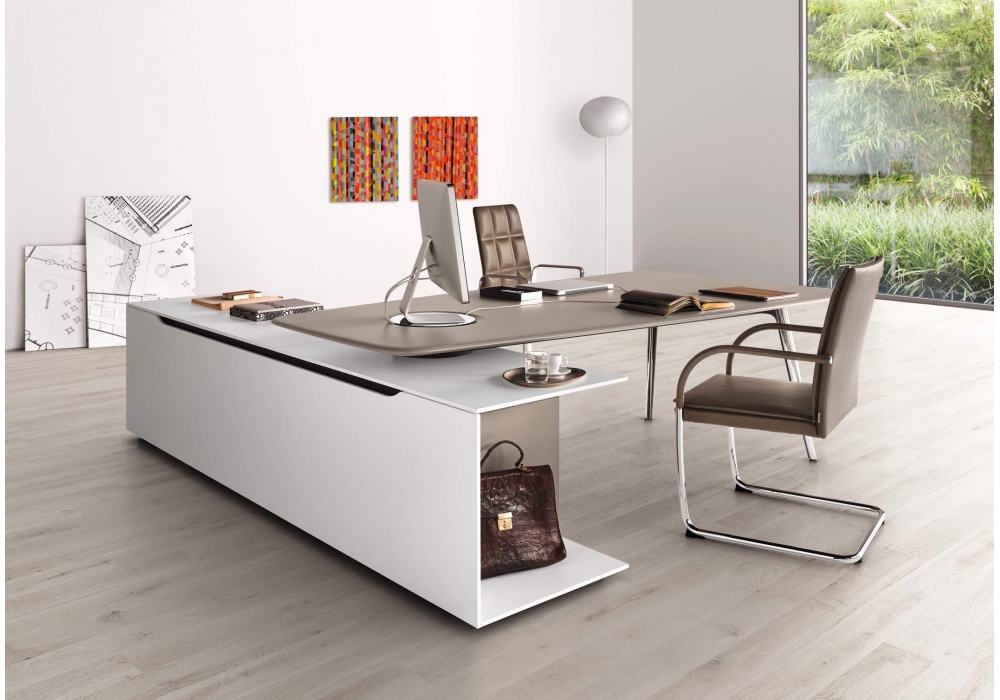
In todays dynamic business landscape, office table design plays a significant role not just in defining the aesthetics of the workspace but also in influencing the productivity and efficiency of employees. As work environments evolve, there is a growing emphasis on designing office spaces that reflect modern values such as collaboration, comfort, flexibility, and innovation. Choosing the right office table is no longer just about functionalityits about aligning form with purpose. Whether you're setting up a corporate office, a startup space, or a home office, understanding the trends, ergonomics, and materials in office table design is crucial to creating a work-friendly environment that motivates and empowers.
The Evolution of Office Table Design in Contemporary Workspaces
Office furniture has undergone a remarkable transformation over the past few decades. The traditional, bulky office tables of the past have given way to sleek, minimalist, and multifunctional designs that cater to the demands of the modern workforce. Office table design today is centered around flexibility and user-centric features. This evolution is partly driven by technological integration and partly by changing work patterns, such as hybrid and remote work models. Adjustable height desks, modular systems, and collaborative work tables are examples of how office table design has adapted. These changes reflect a broader shift in workplace culture, emphasizing agility, teamwork, and employee well-being.
Ergonomics and Comfort: A Priority in Office Table Design
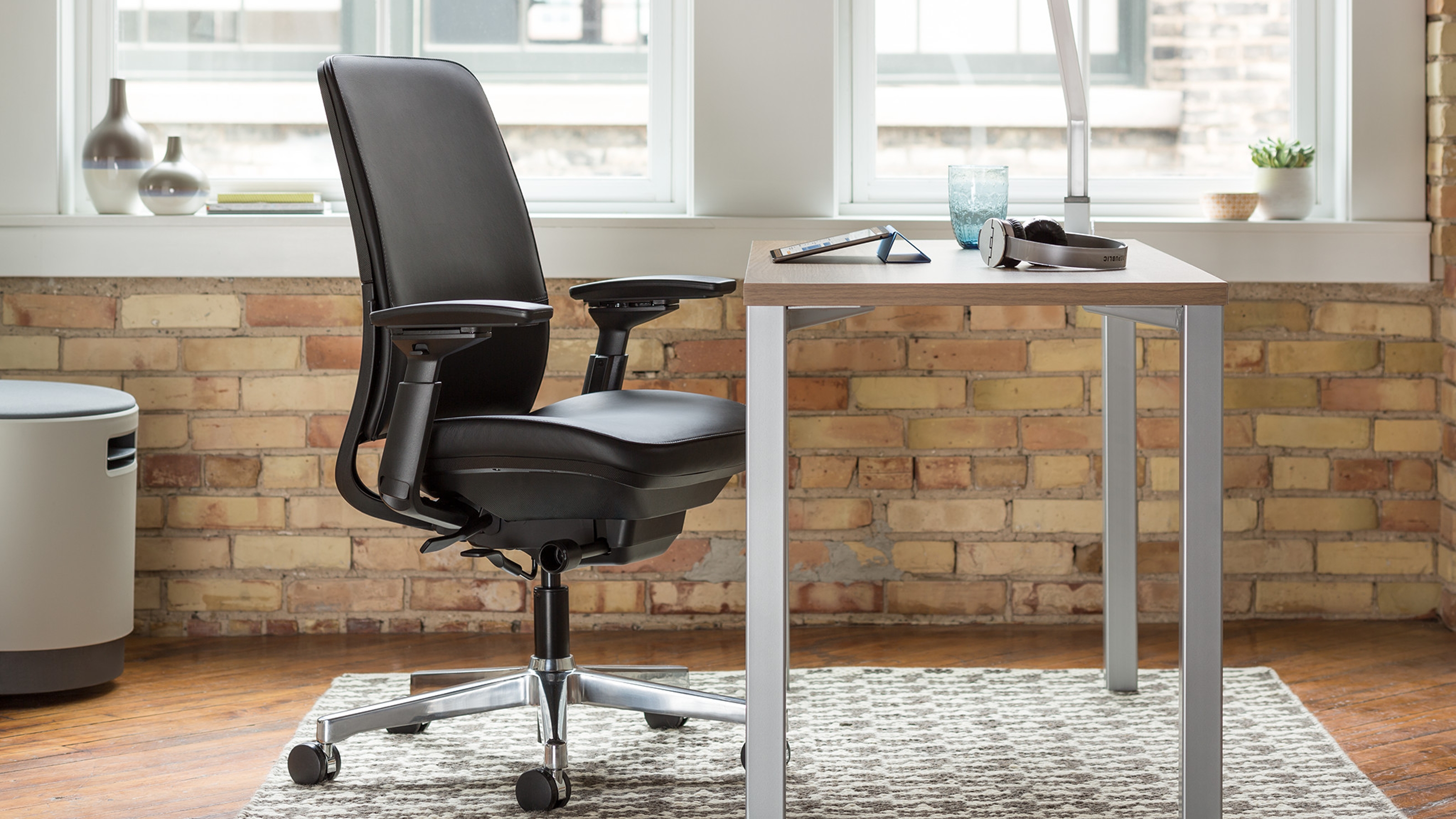
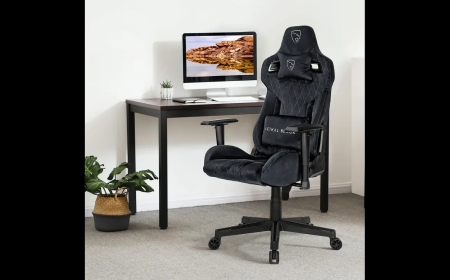
One of the key elements in modern office table design is ergonomics. Ergonomic tables are designed to reduce physical strain and support proper posture, which can help decrease the risk of musculoskeletal issues among employees. Features like adjustable height, cable management systems, and ample legroom are essential considerations. Desks that are too high or too low can lead to back pain, shoulder tension, or even long-term health problems. Ergonomically designed office tables also promote better blood circulation and reduce fatigue, making them a worthwhile investment for companies that prioritize the health and productivity of their employees.
Popular Styles and Materials in Office Table Design
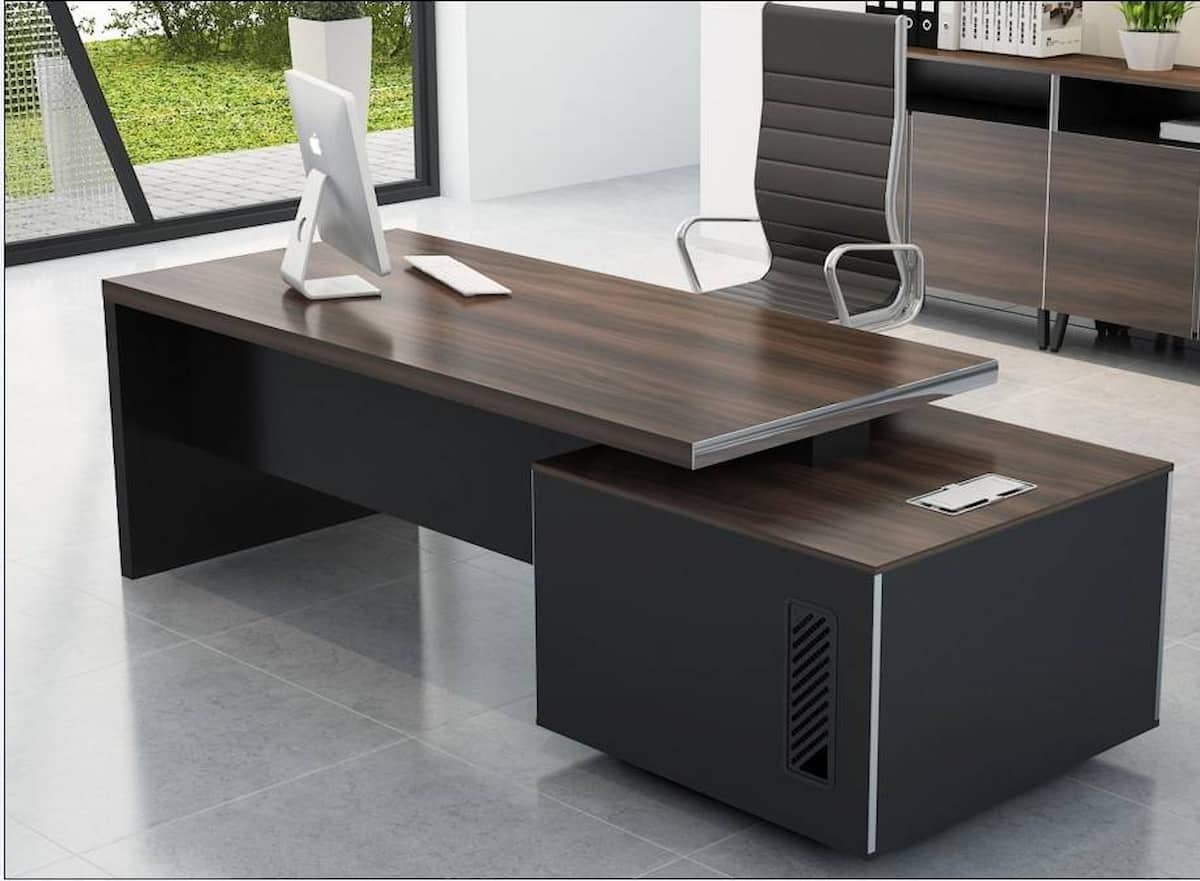
Office tables come in a wide range of styles, finishes, and materials, each offering unique aesthetic and functional benefits. Among the most popular styles are minimalist Scandinavian designs, industrial-chic tables made of metal and reclaimed wood, and contemporary glass-top workstations that bring a sense of openness to the office. Materials also vary, with wood (both solid and engineered), metal, glass, and laminate being the most common. Each material has its pros and cons: wood exudes warmth and elegance, metal offers durability and strength, while glass creates a sleek, modern vibe. Choosing the right material depends on the overall theme of the office, the nature of the work, and the desired level of maintenance.
Maximizing Space with Smart Office Table Design
In urban office settings where space is often limited, smart office table design can help make the most of every square foot. Modular desks, foldable tables, corner units, and wall-mounted workstations are ideal for small offices or shared workspaces. Built-in storage features such as drawers, cabinets, and shelving units are also key for keeping workspaces organized and clutter-free. Some modern designs even integrate power outlets, USB ports, and wireless charging stations directly into the desk surface, reducing the need for excessive wiring and enhancing functionality. When space is at a premium, every inch counts, and a well-designed office table can contribute significantly to spatial efficiency.
Collaborative Workspaces and Shared Desk Designs
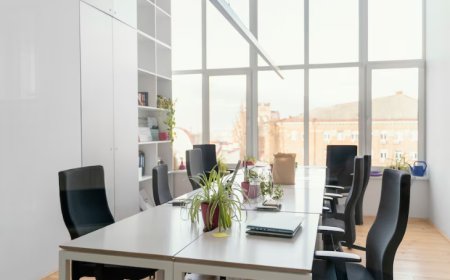
The rise of collaborative and team-based work environments has influenced office table design to become more open and inclusive. Long bench-style tables, round meeting desks, and modular conference setups are designed to foster communication, brainstorming, and creativity. Shared desk systems with partitions or acoustic panels strike a balance between privacy and interaction. These designs are especially prevalent in coworking spaces and startups, where flexibility and social dynamics are essential. When multiple employees work together at a shared desk, the design should support their ability to communicate, share resources, and stay organized without disrupting each others workflow.
Sustainability and Eco-Friendly Office Table Design
Sustainability is another significant trend shaping the future of office table design. Businesses are increasingly opting for environmentally responsible furniture made from recycled, sustainable, or biodegradable materials. Bamboo, reclaimed wood, and low-VOC finishes are popular choices for eco-conscious office designs. Sustainable office furniture not only reduces a companys environmental footprint but also reflects positively on its corporate social responsibility initiatives. By choosing green materials and ethical manufacturing practices, companies can contribute to global environmental efforts while also promoting a healthier indoor air quality for employees. The rise of green office design demonstrates how aesthetics, function, and responsibility can go hand in hand.
Technology Integration in Modern Office Table Design
Technology is at the core of todays work culture, and office table design has evolved accordingly. From built-in power outlets and charging ports to cable trays and monitor arms, modern desks are equipped to accommodate the digital tools employees use every day. Standing desks with motorized height adjustment and smart features like memory settings are becoming increasingly popular. These designs enhance comfort while supporting the use of laptops, dual monitors, and docking stations. Office tables that support tech integration help streamline workflow, minimize clutter, and ensure that the workspace is future-ready for evolving tech demands.
Choosing the Right Office Table for Your Business Needs
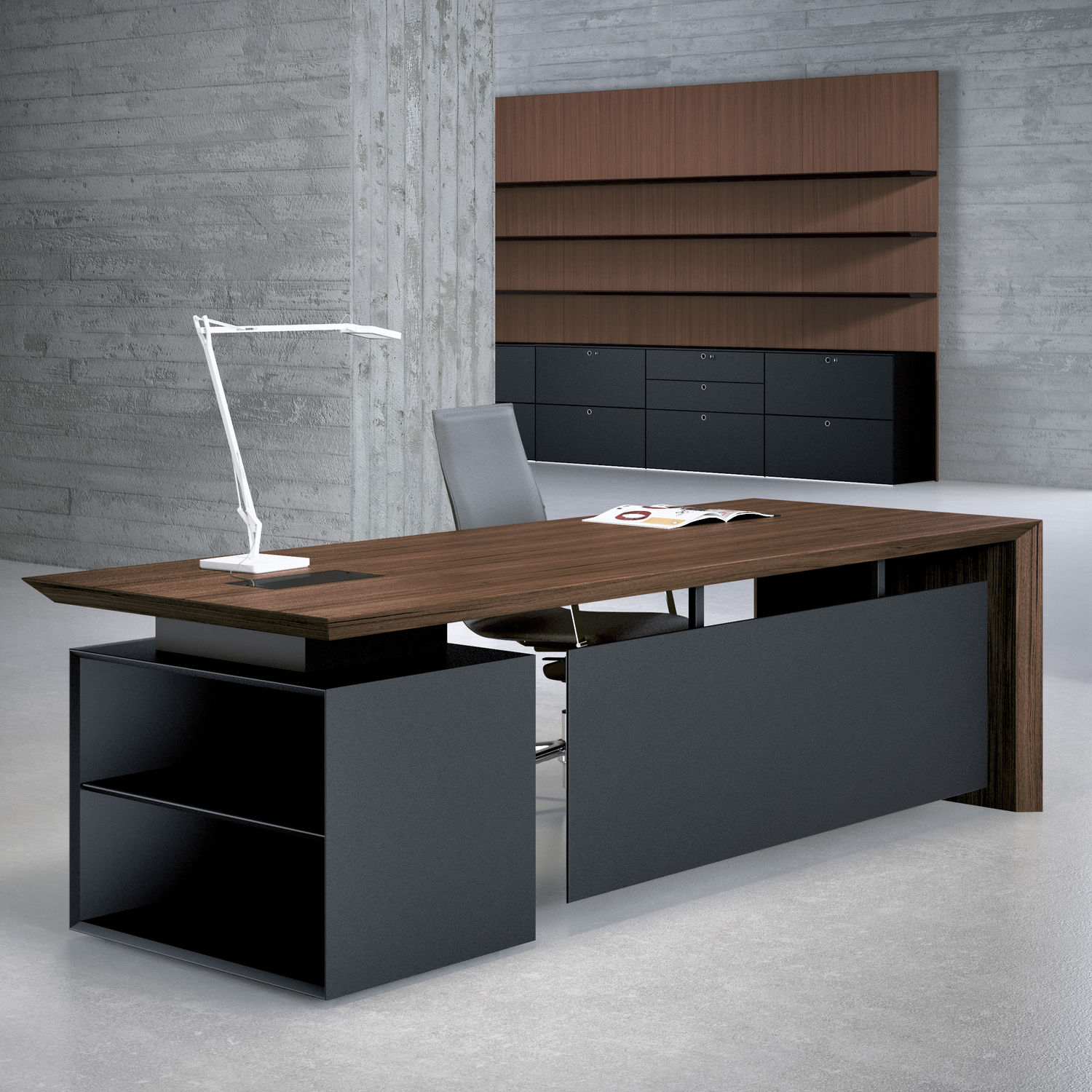
Selecting the ideal office table design requires a thorough understanding of your specific business needs. For example, a creative agency might prioritize open-plan collaborative desks, while a law firm might prefer executive tables with ample storage and privacy. Home office users may look for compact, multipurpose tables that blend with residential interiors. Before making a purchase, consider factors like desk size, shape, ergonomics, storage, and material. Its also important to think long-terman office table should be durable, adaptable, and scalable to meet the evolving needs of your workspace. A thoughtful approach ensures a return on investment in terms of employee satisfaction and operational efficiency.
Conclusion: Create a Productive Workspace with Purposeful Office Table Design
Investing in quality office table design is more than a matter of aestheticsits a strategic decision that directly affects productivity, comfort, and employee morale. The ideal office table should blend functionality with style, cater to the physical well-being of users, and reflect the companys values and culture. From ergonomic features to tech integration, from sustainable materials to collaborative setups, there are numerous aspects to consider when choosing the perfect design. For those in the Philippines seeking expert guidance and a wide variety of options, office furniture supplier Philippines offers tailored solutions to meet every workspace need with professionalism and creativity. Empower your team and elevate your environment by choosing office furniture that works as hard as you do.