















Thoughtful Office Table Design in Modern Workspaces


In todays dynamic work environment, the design of an office space plays a pivotal role in influencing productivity, comfort, and employee satisfaction. A well-thought-out office table design isnt just about aestheticsits about function, flexibility, and creating a conducive environment for focused work. Whether you're planning an office renovation or setting up a new workspace, choosing the right office table can significantly enhance the overall atmosphere and efficiency of your team. With remote work and hybrid work models becoming the norm, more people are seeking smart, ergonomic, and stylish office table solutions that cater to both functionality and modern design trends.
An office table design must align with the tasks performed by the user. From executive desks to shared workstations and minimalist setups, the right table design can reduce clutter, support healthy posture, and encourage a smooth workflow. Gone are the days when offices were lined with generic, uninspiring furniture. Today, businesses are more intentional about creating workspaces that reflect their brand identity and foster collaboration. Office tables are no longer merely functional items; they are now essential elements of workplace culture and design.
Key Features to Look for in Office Table Design
When selecting the best office table design, it's essential to consider a variety of features that contribute to both aesthetics and utility. First and foremost is ergonomicsemployees spend long hours seated at their desks, and an office table that supports good posture can minimize health issues such as back pain or wrist strain. The height, surface area, and legroom should be appropriate to ensure comfort throughout the workday.
Another vital aspect is storage. A good office table should have sufficient storage options, including drawers or compartments, to keep the workspace tidy. A clutter-free table promotes better focus and mental clarity. Cable management is another modern necessity, especially with the increasing use of technology in everyday tasks. A well-designed office table will have built-in options for cable routing to keep wires organized and hidden from view.
Material and durability are also crucial. Whether the table is made of wood, metal, or a composite material, it should be built to withstand daily wear and tear. Investing in high-quality office furniture may seem expensive at first, but it saves money in the long run by reducing the need for frequent replacements.
Popular Office Table Design Trends
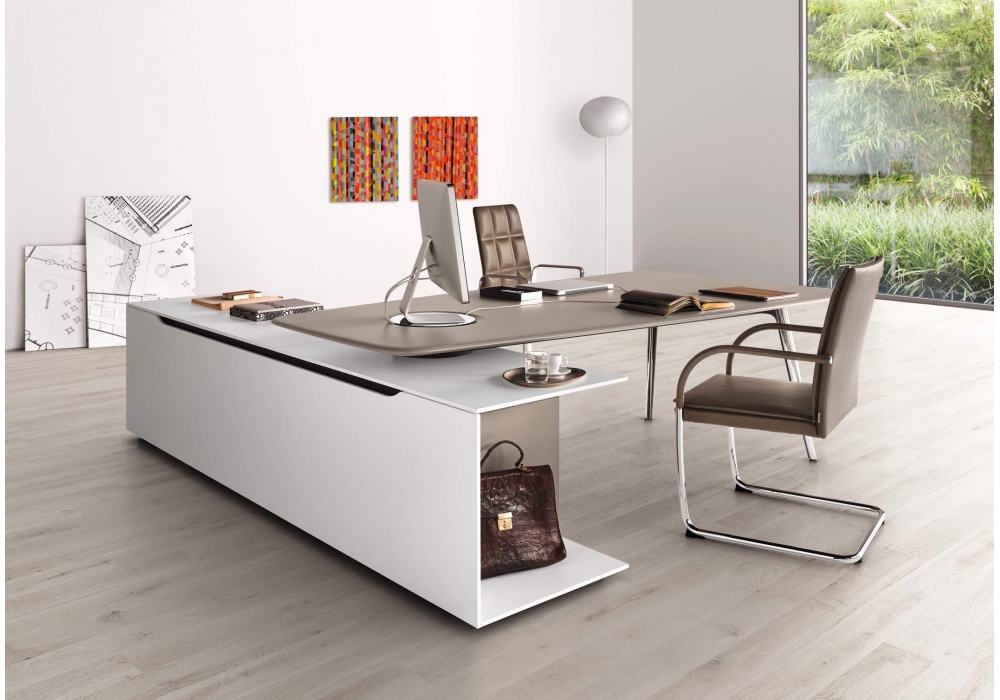
As design preferences evolve, several trends are influencing the current landscape of office table design. Minimalist tables with clean lines and neutral colors remain highly popular. These tables create a calm and distraction-free workspace and can easily complement any interior design theme. Height-adjustable tables are also in demand, offering flexibility between sitting and standing positions and promoting better physical health.
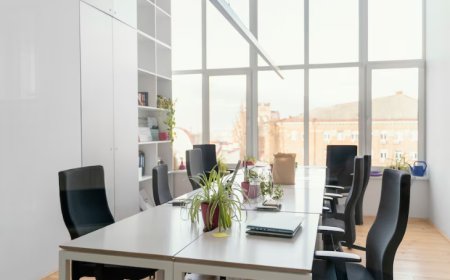
Collaborative workspaces are increasingly common, leading to a rise in large, shared office tables that foster communication and teamwork. These designs often include modular features, allowing teams to rearrange the layout depending on the project at hand. Tables with sustainable materials are also trending, reflecting a growing interest in eco-friendly office solutions.
Another emerging trend is integrating smart technology into office tables. Some designs come with built-in charging ports, wireless chargers, and even sensors that remind you to stand up after sitting too long. These innovations add a tech-savvy edge to the modern workspace, making it more responsive to employee needs.
Office Table Designs for Different Roles and Workstyles
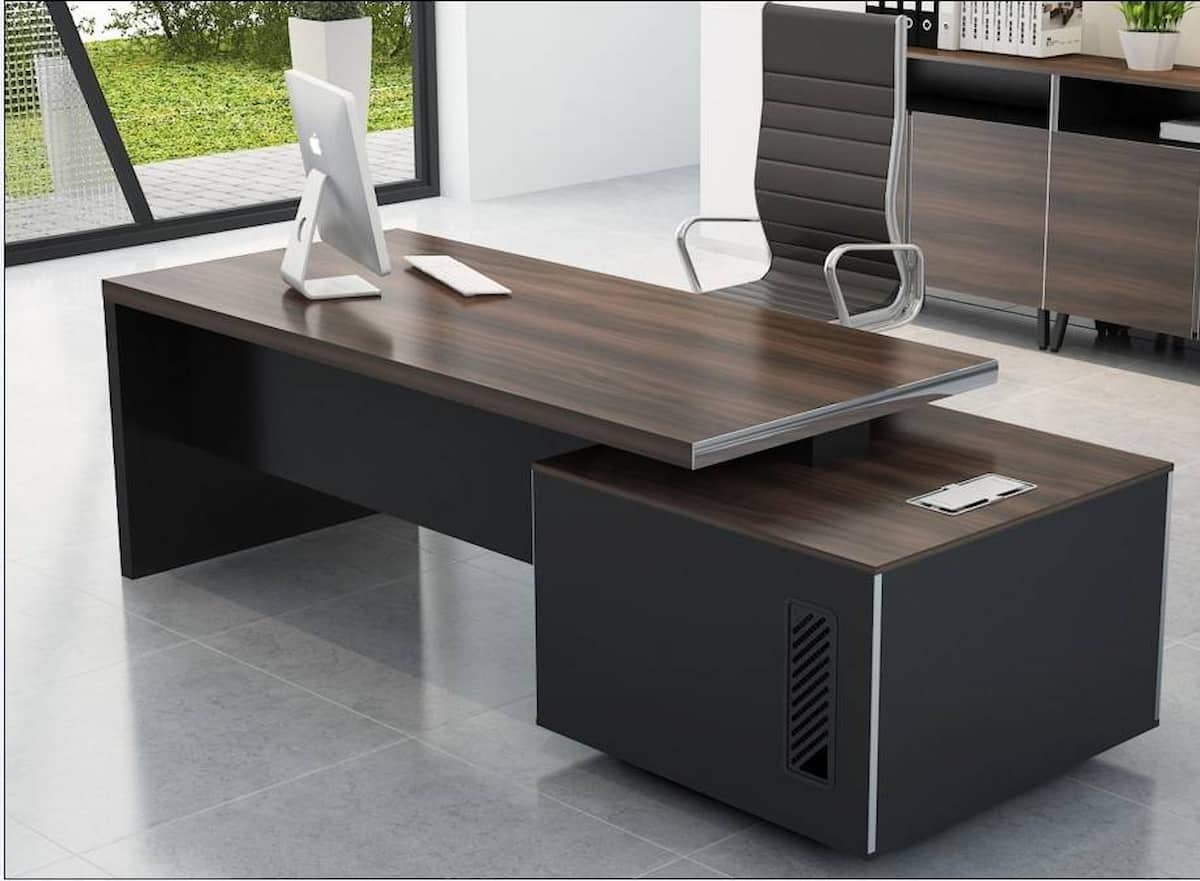
Not all office tables serve the same purpose. A creative professional might prefer an expansive desk with plenty of surface space for sketches and design tools, while an accountant might need compartments for organizing documents and stationery. Executives typically opt for larger, more sophisticated office tables that project authority and leadership. These tables often feature rich wood finishes, premium materials, and extensive storage.
In contrast, minimalist office setups, common among freelancers and startups, may prioritize compact, sleek office tables that are easy to move and versatile. L-shaped or U-shaped office tables offer excellent solutions for multitaskers who require distinct zones for different types of work, such as computer tasks, paperwork, and meetings.
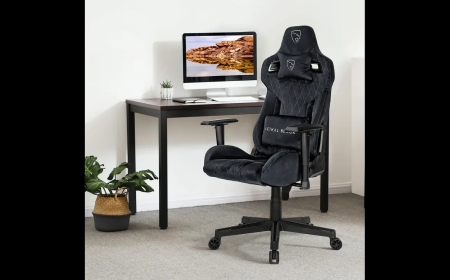
Remote workers also have unique needs. Home office table designs often need to strike a balance between functionality and style, especially when space is limited. Foldable or wall-mounted tables are popular for small apartments or multi-use rooms. In such settings, aesthetics are equally important since the office table might be part of a living room or bedroom environment.
Enhancing Productivity Through Functional Office Table Design
A thoughtfully designed office table can significantly enhance productivity by providing a comfortable and efficient workspace. The design should support the natural flow of daily tasks, minimizing unnecessary movement and promoting a sense of organization. A good office table also serves as a personal zone that boosts focus, especially in open-plan offices where distractions are common.
In addition to physical features, the psychological effect of a well-designed table cannot be underestimated. A neat, spacious, and stylish table can make an employee feel more professional and motivated. Having a designated space with a pleasant aesthetic also helps in creating a positive mindset, essential for tackling complex tasks and meeting deadlines.
Customization is another key factor. Adjustable table heights, modular components, and personalized add-ons such as monitor stands, keyboard trays, and privacy panels can make the workspace more adaptable and user-friendly. By investing in a design that aligns with individual work habits, companies can ensure better employee satisfaction and output.
Choosing the Right Office Table for Your Space
Selecting the perfect office table design requires an understanding of the space available and the specific needs of the team. For smaller offices, compact and multifunctional tables are ideal. They maximize space without sacrificing utility. Larger offices can experiment with diverse setups, including dedicated meeting tables, collaborative workbenches, and private workstations.
Lighting, wall color, and flooring should also be taken into account. A harmonious design between the table and its surroundings elevates the entire look of the office. The table should not overpower the room or feel cramped. Space planning and measurements are crucial before making a purchase. Always consider how the table fits with existing furniture, walkways, and electrical outlets.
Modular office tables that can be reconfigured easily are a wise investment for growing companies. As team size or function changes, these tables can adapt without requiring a complete overhaul. This flexibility makes them a sustainable and scalable solution for any business environment.
Conclusion
In summary, the role of office table design in shaping modern workspaces cannot be overstated. From enhancing productivity and health to reflecting brand identity and adapting to different workstyles, the right office table can truly transform how people work. Whether youre a small business, a corporate firm, or a remote worker setting up a home office, investing in the right table is an investment in efficiency and well-being. For companies looking to make a lasting impression while prioritizing employee comfort and performance, Office table provides a perfect blend of function and style.